
The psychology of chance Understanding the mental effects of gambling
The psychology of chance Understanding the mental effects of gambling
The allure of chance
The allure of chance is a powerful force that draws many individuals into the world of gambling. The thrill of potentially winning big can create a rush of excitement that is hard to resist. This psychological phenomenon is often tied to the unpredictability of outcomes, leading players to believe they can influence their luck. This belief can result in a form of cognitive bias known as the illusion of control, where gamblers think they can manipulate their chances of winning based on past experiences or patterns, even though each game is independent of the last. For those exploring the world of gaming, sites featuring crypto casinos can further enhance this experience.
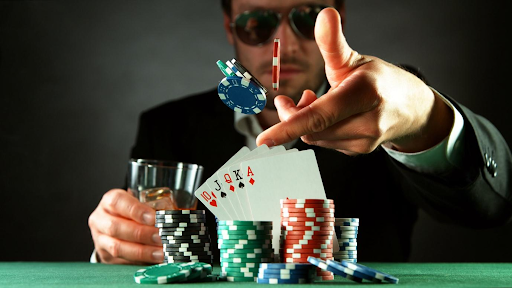
This allure is amplified by the social aspects of gambling, whether in a bustling casino or an online platform. The environment can heighten emotions, creating a euphoric atmosphere that enhances the gambling experience. Understanding these psychological elements helps explain why individuals often overlook the risks associated with gambling, focusing instead on the potential rewards.
Psychological effects of gambling
The psychological effects of gambling can be profound, affecting individuals in various ways. Some experience an initial boost in mood and self-esteem after a win, while losses may lead to feelings of disappointment and frustration. Over time, the emotional rollercoaster associated with gambling can lead to addictive behaviors, as individuals seek to replicate the high of winning or recover losses.
Moreover, frequent exposure to gambling can alter brain chemistry, similar to substance addiction. The release of dopamine during gambling activates the brain’s reward system, reinforcing the desire to continue playing. This biological reaction can create a cycle where the thrill of gambling becomes a coping mechanism for stress or anxiety, making it increasingly difficult for individuals to break free from the habit.
Online vs. offline gambling
The rise of online gambling has transformed the landscape of chance-based gaming, offering accessibility and convenience that traditional brick-and-mortar establishments cannot match. Players can engage in various games from the comfort of their homes, which can lead to increased time spent gambling. This ease of access often blurs the lines between recreational play and problematic gambling behaviors.
In contrast, offline gambling, such as in casinos, often involves social interactions that can act as a deterrent for excessive gambling. The physical environment, complete with sensory experiences and social cues, can foster a more mindful approach to betting. Nonetheless, both forms of gambling share common psychological impacts, highlighting the importance of understanding the mental effects associated with each medium.
The role of cognitive biases
Cognitive biases play a significant role in how individuals approach gambling. One common bias is the gambler’s fallacy, where individuals believe that past events can influence future outcomes. For example, a player may think that a particular number is “due” to come up in a game of roulette simply because it hasn’t appeared recently. This flawed reasoning can lead to poor decision-making and increased risk-taking.
Another bias is confirmation bias, where individuals seek out information that supports their beliefs about gambling while ignoring contradictory evidence. This can perpetuate the cycle of gambling, as players may only acknowledge their wins and overlook their losses. Understanding these cognitive biases is crucial for both gamblers and those supporting them in recognizing harmful patterns and making more informed choices.

About msfdn.org
At msfdn.org, we are committed to providing valuable insights and resources on various topics, including the complex psychology behind gambling. Our goal is to enhance knowledge and understanding, empowering individuals to make informed decisions about their habits and behaviors. As we continue to develop our content, we appreciate your patience during any temporary disruptions to our site.
Our articles are designed to offer comprehensive information, whether you are seeking to understand the mental effects of gambling or looking for support in navigating your own experiences. We believe that informed discussions can lead to healthier gambling practices and improved mental well-being.